Clients ask marketing agencies for Amazon all the time. For a digital, social or e-commerce agency, saying no means sending revenue (and sometimes the whole relationship) to a competitor. Building an Amazon department from scratch takes years and specialist hires. A white-label Amazon agency is the middle path: you sell and own the relationship, and a specialist partner does the work under your brand.
CommerceKind has spent four years supporting agencies this way. This guide explains how white-label Amazon fulfillment works in practice, what to expect, and how to choose a partner.
What "white-label" actually means
In a white-label arrangement, your agency is the only brand your client sees. Your partner delivers Amazon services (advertising, listings, A+ Content, account management) and everything client-facing goes out under your name: reports, audits, strategy decks, even email addresses if you want. The partner signs an NDA and never contacts or markets to your clients.
What services can be white-labeled
- Amazon PPC: Sponsored Products, Brands and Display management with branded reporting.
- Listing optimization and SEO: keyword research, copy and backend terms.
- A+ Content and creative: A+ modules, Brand Store design and listing images.
- Account management: account health, cases, catalog issues and brand protection.
- Audits: pre-sale audits you use to win the client.
- TikTok Shop: shop setup, creators and ads, for agencies whose clients want to expand.
How the workflow runs
1. Pre-sale support
The partnership often starts before the client signs. Your partner prepares an audit or proposal under your brand that you present. This is where specialist knowledge wins deals you could not win alone.
2. Onboarding
Once the client signs, your partner gets access through Seller Central user permissions, which the client controls. You agree goals, communication rules and reporting format. A good partner gives you an onboarding checklist so nothing depends on memory.
3. Execution
The partner runs the day-to-day work. You stay the strategic lead and relationship owner. Some agencies want the partner to join client calls as part of "their team"; others prefer to relay everything themselves. Both models work if they are agreed upfront.
4. Reporting
Reports are delivered in your branding, on your schedule, with commentary you can forward or adapt. Good partners write reports that a client can understand without translation.
Confidentiality and NDAs
Confidentiality is the foundation. A reliable white-label partner signs an NDA and agrees never to approach your clients. At CommerceKind, we sign an NDA at whatever point suits you, before or after the first call. Your clients stay yours.
Why agencies choose white-label over hiring
- Speed: offer Amazon this month, not after a year of hiring and training.
- Depth: access a full team (PPC, content, creative, operations) instead of one generalist.
- Risk: no single hire whose departure stops client work.
- Focus: your team keeps doing what it does best while Amazon revenue grows.
What to look for in a white-label Amazon partner
- In-house team. Ask who does the work and whether it is subcontracted again.
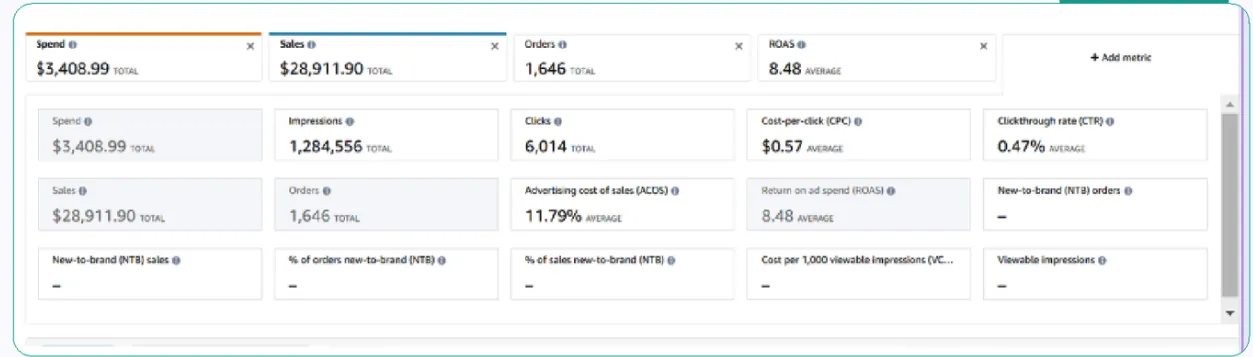
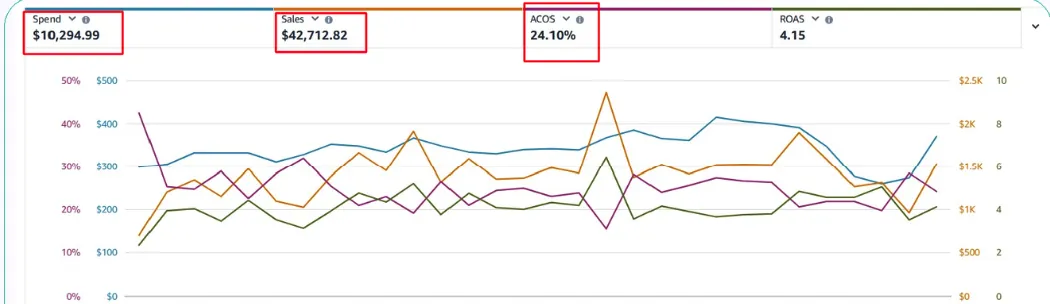
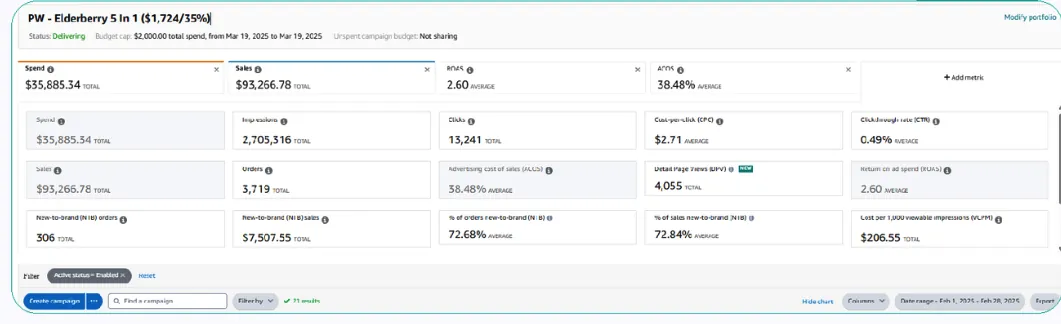
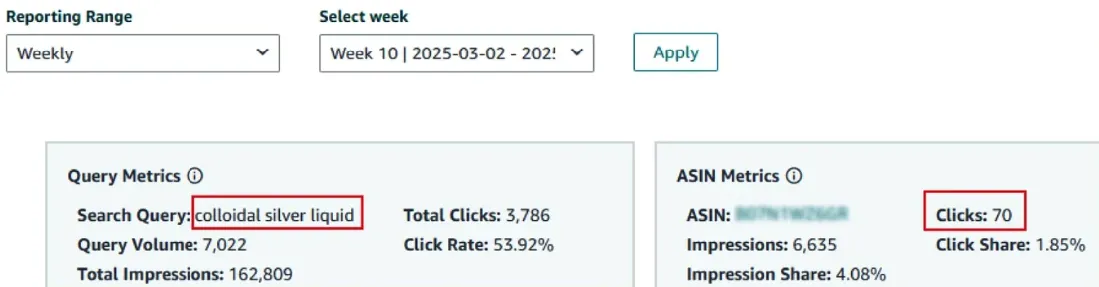
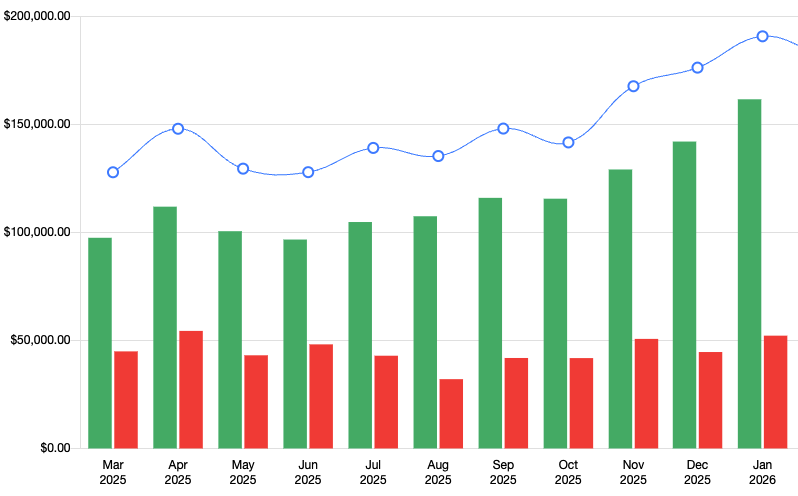
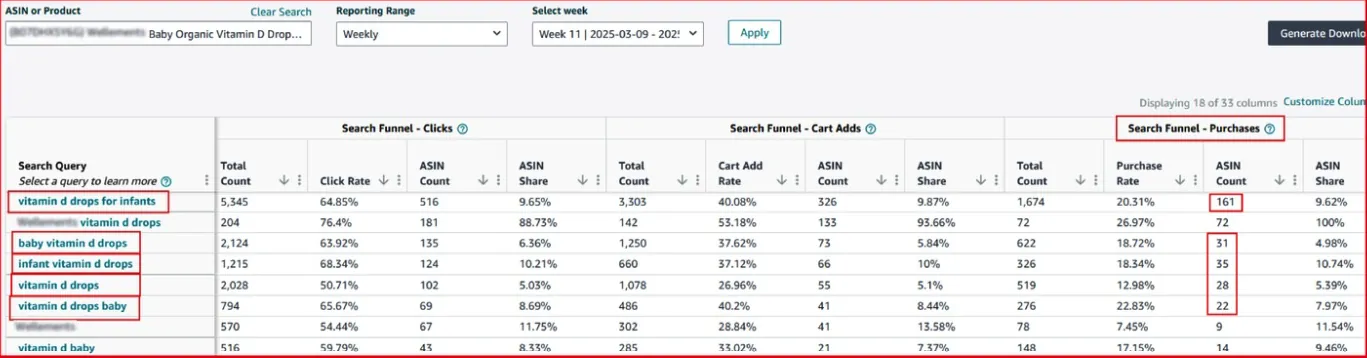
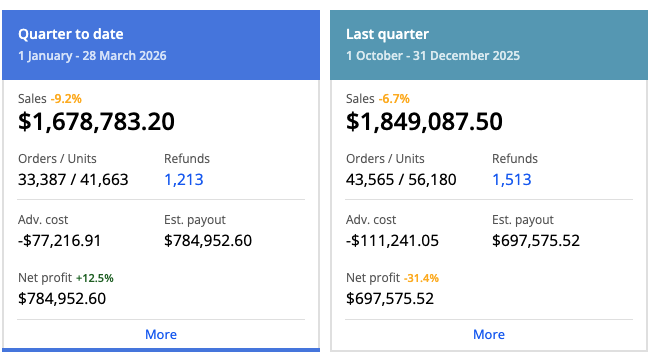
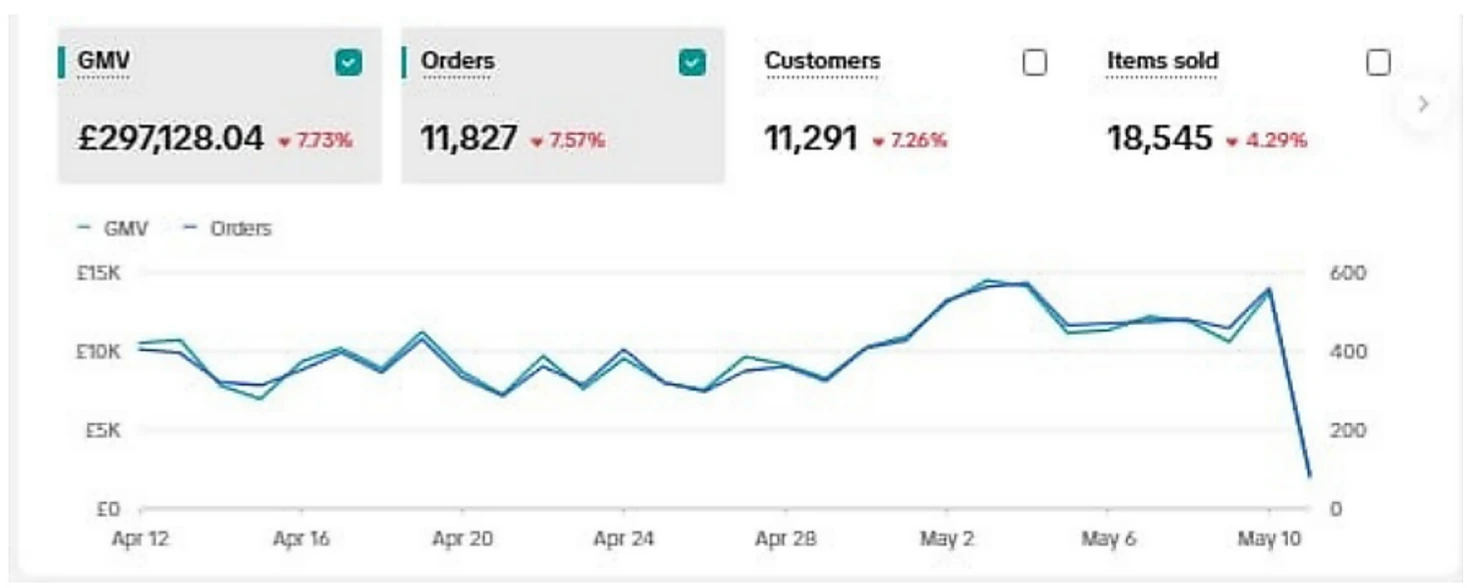
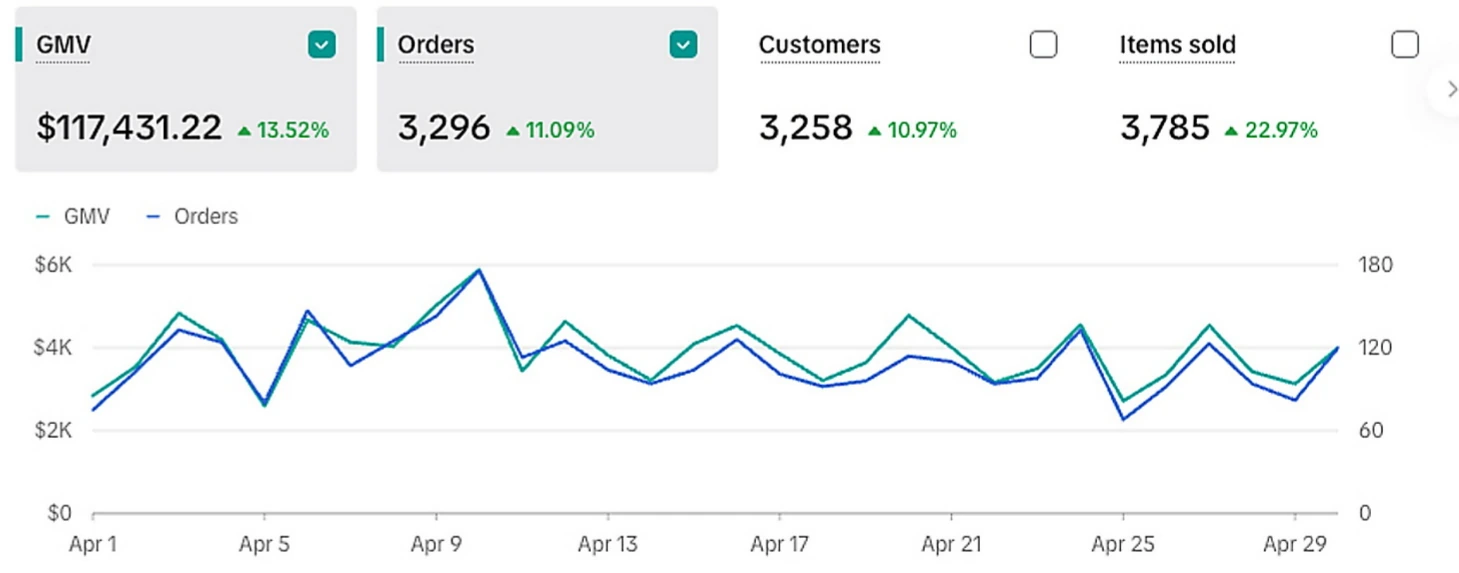
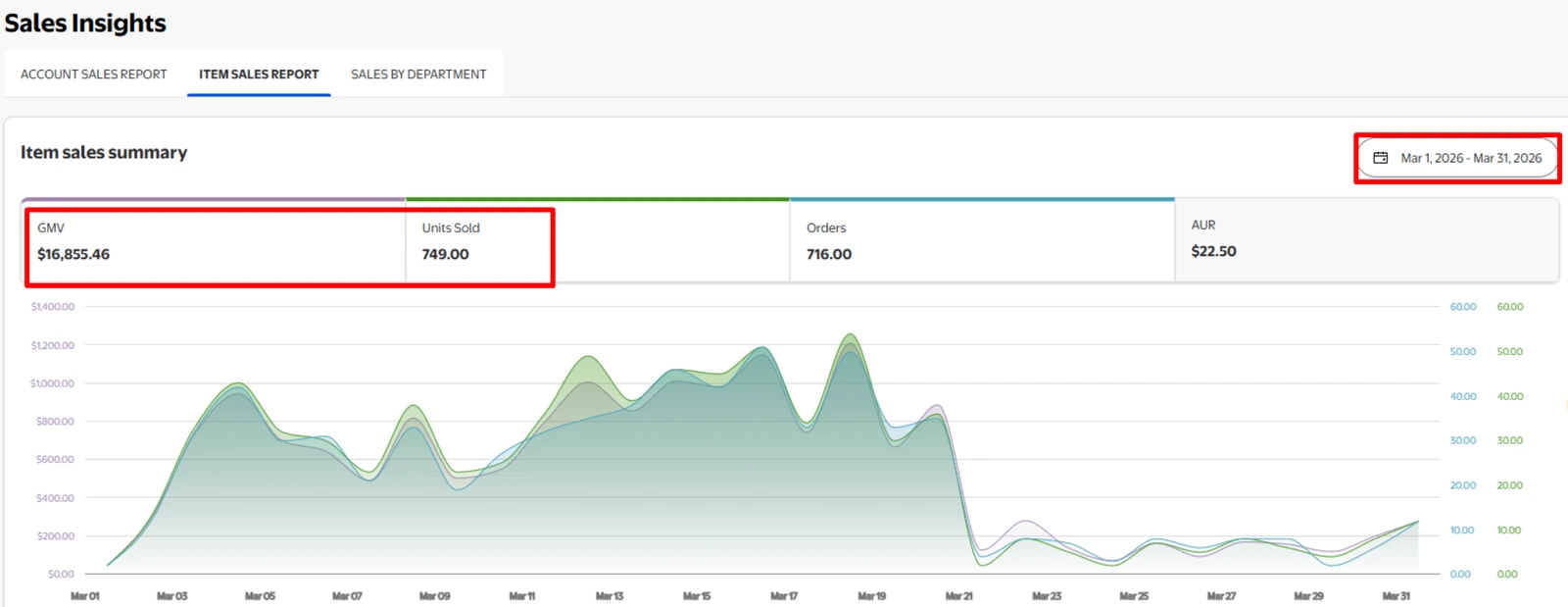
- Real proof. Ask for original dashboard screenshots, not just case study slides.
- Agency experience. Supporting agencies is different from serving brands directly; ask how long they have done it.
- Communication standards. Response times, escalation paths and who your point of contact is.
- Branded deliverables. Samples of white-labeled reports and audits.
- Clear ownership. The client owns their Amazon account and data; you own the relationship.
Common mistakes
The most common mistake is selling Amazon services before agreeing scope with your partner, then discovering the client expects things nobody planned for. Agree deliverables, response times and reporting before the pitch. The second is hiding the partner so completely that problems get stuck in translation. Decide how escalations work before anything goes wrong.
How CommerceKind works with agencies
We have supported agencies for four years, and our team has helped client brands generate $100M+ in revenue, with $3M+ in monthly ad spend managed. We provide pre-sale audits, full delivery under your brand, branded reporting and, as an official TikTok Shop Partner, TikTok Shop services if your clients want them. Learn more on our agency partner page or read the agency FAQ.
Pricing your white-label Amazon services
Most agencies resell white-label services at a margin over the partner's cost. The right markup depends on how much strategy and account management you add yourself. If your team handles all client communication and strategy, your value-add is significant. If the partner does almost everything, keep your margin realistic so the client sees fair value. Whatever you charge, agree scope precisely with your partner so your quote matches what will be delivered.
A typical week in a white-label partnership
- Monday: partner reviews performance and flags anything urgent to you.
- Midweek: optimizations, listing updates and creative work delivered; questions routed through your agreed channel.
- End of week: branded update ready for you to send or present.
- Monthly: strategy review and next-month plan you present to the client.
Questions to ask in your first call with a partner
- Who on your team will work on my clients, and are they employees?
- Can I see a sample white-labeled report and audit?
- How do you handle a client emergency outside business hours?
- What happens to client work if we end the partnership?
- How do you keep my clients confidential?
The answers tell you whether the partner treats agencies as a core business or as a side channel.
Onboarding checklist for a new white-label client
- Signed client agreement on your side and confirmed scope with your partner.
- Seller Central and Ads user permissions granted by the client.
- Goals, margins and inventory plans shared.
- Reporting format, cadence and branding agreed.
- Communication rules: who speaks to the client, and how escalations work.
- First audit and 90-day plan delivered under your brand.
Measuring whether the partnership works
Track three things: client results against the agreed goals, client retention, and how much of your team's time the partnership saves. If results are good but your team is still spending hours translating reports, the communication setup needs work. If retention drops, look first at whether scope and expectations were set clearly at the start.
Growing beyond one service
Many agencies start with PPC because it is the easiest service to explain and measure. Once that runs smoothly, listings, A+ Content and account management are natural additions, and TikTok Shop is increasingly requested by the same clients. A partner that can deliver all of these under your brand lets you grow the service line without adding new vendors.
Key takeaways
- White-label lets you offer Amazon services under your brand without hiring a full team.
- Clear scope, communication rules and reporting are the foundation.
- Measure results, retention and time saved.
- Start with one service, then expand.
Frequently asked questions
Will clients know we use a partner?
That is your choice. A white-label setup lets everything client-facing carry your brand.
Who owns the client relationship?
You do. Your partner supports delivery behind the scenes.
Next steps
List the Amazon services your clients ask for most, decide which you want to offer under your brand, and talk to a partner about scope, reporting and communication before you sign your next client.